

Vitamin C Resveratrol Immune Support Explained
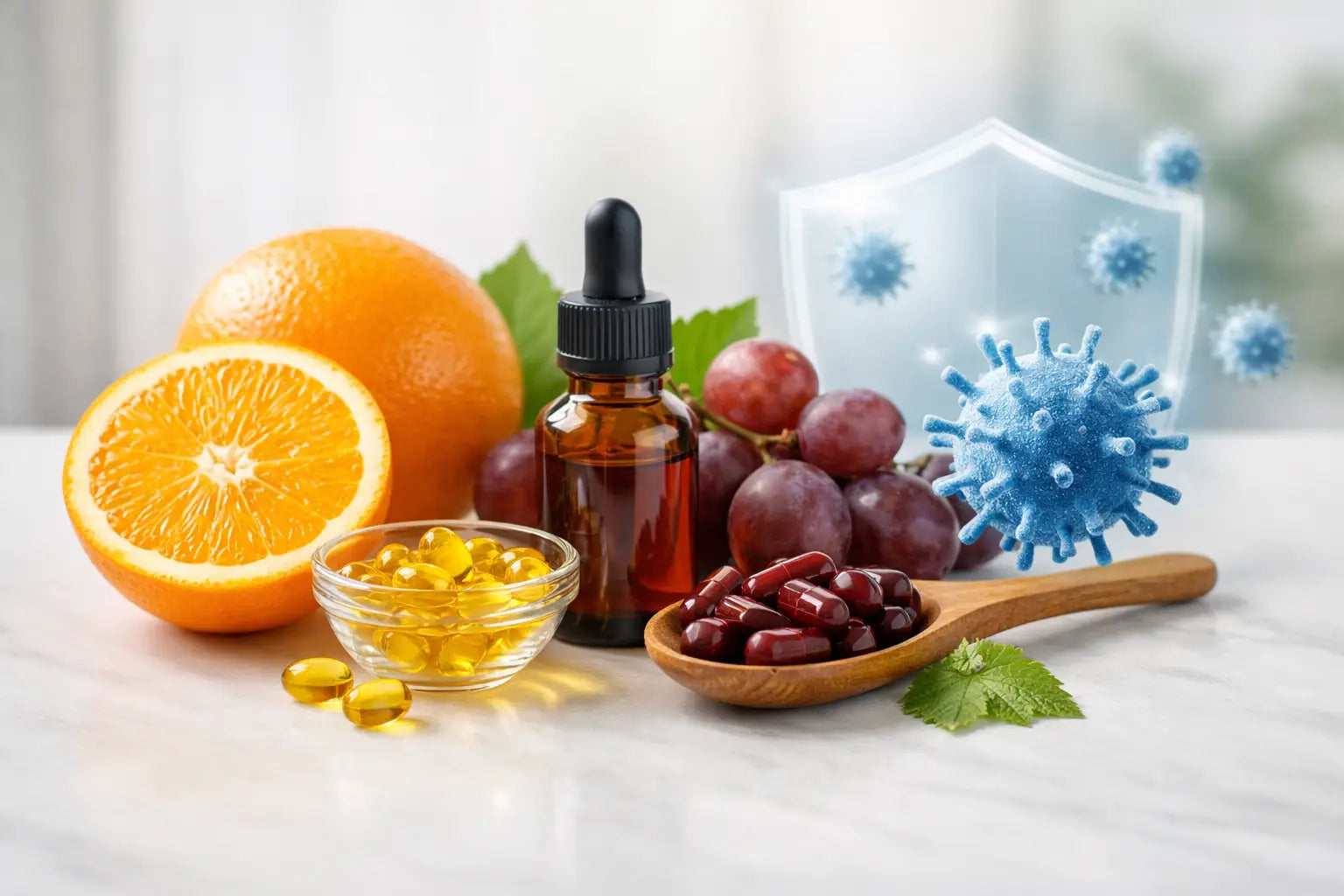
A late night, a packed commute, skipped meals and another run of seasonal sniffles can make everyday wellbeing feel harder to hold on to. That is where vitamin c resveratrol immune support can be a thoughtful addition to a consistent wellness routine - not as a quick fix, but as daily nutritional support built around two well-known antioxidants.
Vitamin C has a recognised role in normal immune function and in protecting cells from oxidative stress. Resveratrol, a naturally occurring plant compound, brings a different kind of antioxidant interest. Together, they appeal to people who want practical support that fits a whole-food lifestyle, especially when fresh, varied meals are not always as regular as they would like.
Why Vitamin C Matters for Everyday Immunity
Vitamin C is involved in far more than the orange juice association suggests. It contributes to the normal function of the immune system, supports normal collagen formation for skin and blood vessels, and helps protect cells from oxidative stress. It also increases iron absorption when eaten alongside plant-based sources of iron, such as lentils, beans and leafy greens.
Your body does not make vitamin C, and it does not store large reserves for long. That makes regular intake useful. Citrus fruit, berries, peppers, broccoli, tomatoes and potatoes can all contribute, yet busy weeks, limited food variety and cooking habits may leave gaps. A supplement is not a substitute for vegetables and fruit, but it can help make daily intake more dependable.
For immune support, consistency matters more than chasing an unusually high dose at the first sign of a cold. Vitamin C supports normal immune function as part of an overall pattern that includes nourishing food, sleep, movement and enough time to recover from stress.
Vitamin C Resveratrol Immune Support: Where Resveratrol Fits
Resveratrol is a polyphenol found naturally in grapes, berries, peanuts and Japanese knotweed. Plants produce polyphenols as part of their own protective systems, and these compounds are now widely studied for their antioxidant activity.
In the body, oxidative stress occurs when unstable molecules, often called free radicals, outpace the body’s antioxidant defences. This is a normal part of life - it can be influenced by exercise, pollution, UV exposure, poor sleep and illness. Antioxidants help support the body’s ability to manage this balance.
The evidence around resveratrol is promising but still evolving, particularly when it comes to specific immune outcomes in people. It should not be presented as a cure, a treatment for infection or a replacement for medical care. Its place in a daily formula is better understood as complementary antioxidant support alongside vitamin C, rather than a standalone answer to every immune concern.
That distinction matters. A responsible supplement routine should make you feel more supported, not encourage you to ignore persistent symptoms, a nutrient-poor diet or professional medical advice.
Why the Source of Your Nutrients Can Change the Experience
Many conventional supplements use isolated, laboratory-made vitamins. They may suit some people perfectly well, but others look for an option that feels closer to the nutrition found in food. This is where food-state supplementation offers a different approach.
Food-state nutrients are cultivated from whole-food sources and presented within a wider food-like matrix. Rather than focusing only on a single isolated nutrient, this approach aims to reflect the naturally complex environment in which nutrients occur in plants. For people who have experienced stomach discomfort or a harsh feeling from conventional supplements, that distinction can be especially appealing.
The practical question is not whether one format is automatically right for everyone. It is whether the formula is transparent, sensibly dosed and easy for you to take consistently. A supplement that remains in the cupboard is unlikely to support your routine, however impressive its label may be.
Nu-Format’s approach centres on organically derived, food-state nutrition without synthetic nutrients, designed for people who want the next best thing to natural food in a convenient daily format.
Choosing a Formula You Can Trust
A vitamin C and resveratrol product should be easy to understand. Start with the supplement facts panel. Look for the amount of vitamin C per serving, the source and quantity of resveratrol, and clear guidance on how often to take it. More ingredients do not always mean more value; unnecessary fillers, artificial colours and vague proprietary blends can make it harder to know what you are getting.
Quality markers also matter. Vegan and non-GMO standards may be important if they match your values, while independent testing and transparent manufacturing help provide reassurance around purity and consistency. If a product makes sweeping promises to prevent illness or transform immunity overnight, treat that as a reason to pause. Nutritional support should be communicated with care.
Tolerance is equally personal. Some vitamin C products can feel uncomfortable on an empty stomach, particularly at higher doses. A food-state or whole-food-derived formula may be gentler for some people, though individual response varies. Taking your supplement with breakfast or another meal is a simple starting point if your stomach is sensitive.
How to Build It Into a Realistic Routine
The most useful supplement habits are usually the least complicated. Keep your vitamin C and resveratrol formula somewhere you will see it during a daily routine: beside your breakfast items, in your work bag or near the kettle. Pairing it with an existing habit makes consistency easier than relying on memory alone.
It also helps to support the formula with the basics that no supplement can replace. Aim for colourful fruit and vegetables across the week, adequate protein, regular fluids and sleep that is as protected as your schedule allows. During demanding periods, such as travel, winter, heavy workloads or disrupted routines, these foundations become even more valuable.
If you eat a plant-based diet, vitamin C can be particularly helpful alongside iron-containing meals because it supports iron absorption. Think of a lentil salad with peppers, porridge topped with berries, or a bean-based evening meal followed by fruit. Supplements and food do not need to compete; they can work side by side.
When to Seek Individual Advice
Vitamin C and resveratrol are not suitable to self-manage every situation. Speak with a pharmacist, GP or qualified healthcare professional before starting a new supplement if you are pregnant, breastfeeding, taking prescription medicines or managing a health condition. Resveratrol may not be appropriate alongside certain medicines, including medicines that affect blood clotting.
High supplemental vitamin C intake may also be unsuitable for some people, including those with a history of kidney stones or certain iron-storage conditions. The right amount depends on your diet, health history and the rest of your supplement cupboard. Following the label rather than assuming more is better is a sensible rule.
For children, people with persistent fatigue, recurring infections or symptoms that do not improve, personalised medical guidance is more useful than adding extra products. Daily wellness products can support healthy routines, but they cannot diagnose the reason you feel unwell.
A More Grounded Way to Support Your Immune Routine
Vitamin C and resveratrol make sense together for people seeking everyday antioxidant care with a whole-food mindset. Vitamin C brings a clear, recognised role in normal immune function, while resveratrol adds plant-based antioxidant interest. The greatest benefit, though, often comes from choosing a formula you tolerate well and taking it as part of habits that genuinely support your body.
Start with one small, repeatable action: take your chosen formula with a nourishing meal, add one extra colourful plant food to your day, and give your body the rest it has been asking for. That kind of steady care is rarely dramatic, but it is often what wellbeing is built on.
